Wales find learnings but off-field instability could stall any progress
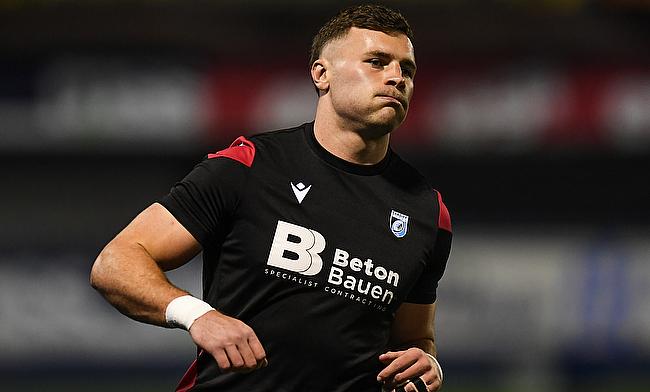
Mason Grady's Cardiff climbed to second in the United Rugby Championship, as the region continues to shine despite an unclear future for Welsh rugby
©Inpho Photography
For almost the entirety of Saturday's 73-0 defeat to South Africa at the Principality Stadium, the story was about the stark contrast between the Springboks’ overwhelming power and Wales’ search for any signs of progress.
That changed when Eben Etzebeth was sent off for an alleged eye-gouging incident, leaving the lock potentially facing a lengthy ban.
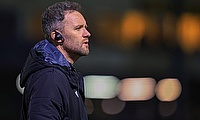
Etzebeth is set to appear at a disciplinary hearing on Tuesday - with a verdict expected 24 hours later - but while the incident did dominate the headlines, we still need to assess Steve Tandy’s first campaign as head coach of Wales and identify the bright spots that can be carried into next year’s Six Nations.
Tandy hopeful that Wales will take learnings
In a year filled with lows for the national side, nothing felt as crushing as the Springboks’ weekend performance. It was also the first time Wales had been held scoreless at home since a defeat to Ireland in the 1967 Five Nations.
South Africa’s 7-1 bench split carried 68 more international caps than the entire Welsh matchday squad.
Some tries came through sheer dominance up front, while others stemmed from the platform the pack created for the backs to cut through from close range.
Tandy admitted the scoreline stung, but hoped the group would learn from the experience.
"It's always hard to watch where you feel it's hard to get any grip of the game," Tandy said. "It's really raw for the group. It's not for the want of trying or lack of effort. We're a proud rugby nation. We don't want to be losing at home, let alone by that scoreline.
"We knew it was going to be tough against the world champions. We've come up against a team that is much further down the track than us.
"That's not an excuse. You know you'll have big lessons, but it's making sure we learn from them."
Power game lacking ahead of daunting Six Nations
The standout issue across the campaign was Wales’ ongoing struggle against physical, power-based opposition.
There were positives, though: four tries were scored against both Argentina and New Zealand, and glimpses appeared of the attacking identity Tandy wants to build - particularly in transition and when moving the ball quickly.
Once Wales reached the opposition 22, their strike rate was strong. The problem was that they simply weren’t entering those areas as frequently as other top-tier nations.
Defensively, there were moments of solidity, despite conceding 27 tries across four matches. Wales averaged more than 200 tackles per game during the autumn, which is an immense workload.
However, their focus on targeting the ball in contact often allowed opponents to make significant post-contact metres and maintain momentum.
With a challenging start to the Six Nations - away at the Allianz Stadium against England before hosting France - some inexperienced players will at least have gained harsh lessons about the physicality of Test match rugby, despite occasional encouraging moments in attack.
And ideally, a full-time defence coach will be appointed before the tournament begins.
World Cup draw coming up, but where do Wales go from here?
Twenty-four nations will learn their pools for the 2027 Rugby World Cup on Wednesday.
By beating Japan earlier this month, Tandy’s side ensured they remained in the world’s top 12 and secured a place among the second group of seeds.
This means they will face one of the top six teams - potentially three of the same opponents they met this month.
The aim for Wales must be to reach the knockout stages and deliver competitive performances throughout the competition.
But the bigger question remains: where does Welsh rugby go from here?
Many observers, including Rassie Erasmus, believe Wales are simply going through a severe downturn at international level which is true.
Yet the deeper worry is what comes next, particularly the looming decision over how many professional teams will sit beneath the national side.
In October, the WRU announced plans to reduce from four regions to three, but a month later, there is still no clarity on which team will be cut.
Despite both the Scarlets and Cardiff picking up excellent results in the United Rugby Championship on Saturday, uncertainty looks set to continue in the coming weeks and months, meaning another international campaign risks being overshadowed by off-field chaos - now a familiar theme.
Stability and clarity are essential. If the governing body pushes ahead with cutting a professional team and prolonging uncertainty, the national side may struggle for far longer.