Fiji Builds for 2031 While the Present Keeps Shifting Beneath It
Fiji Rugby has never lacked for talent. What it has lacked, at times, is a system built to catch it. This week, in the hills above Nadi, that started to change.
The Nasoko Programme launched with a planning meeting at Tanoa Skylodge, bringing together school coaches from the Eastern, Southern, Western and Northern regions ahead of a week of talent identification for Fiji’s most promising Under-16 and Under-18 players. It is the first initiative of its kind for Fiji Rugby — a national high-performance pathway built from the schoolyard up, rather than assembled once a player has already broken through.
The mechanics are thorough. Players undergo Functional Movement Screening before a series of matches, girls at Namaka Public School Ground, boys at Ba Methodist School Ground. Every participant is screened, profiled and entered into a national database for ongoing monitoring. At the end of it, 120 athletes; 60 girls, 60 boys, will be split between High-Performance Academy scholarships and development pathway placements, each with access to specialist coaching, strength and conditioning, and game education through the Australian-government-funded Impact Beyond Programme, delivered in partnership with World Rugby.
The stated horizon is 2031. That is a deliberate, almost unusual thing for a rugby nation to say out loud, a target seven years out, built on Functional Movement Screening and regional zone coordinators rather than a single golden generation. It is Fiji Rugby trying to make its production line as reliable as its raw talent has always been.
A senior team still finding its feet
The timing is notable, because the programme arrives at a moment when Fiji’s highperformance environment at the very top has been anything but settled.
Mick Byrne stepped down as Flying Fijians head coach on 1 April, with Senirusi Seruvakula installed as his successor that same day. Seruvakula’s first campaign was brutal: defeat to Wales in the opening round of the new Nations Championship, then a 73-8 loss to England and a 33-17 defeat to Scotland inside a fortnight. Then, on 10 August, assistant coach Aaron Mauger, the former Crusaders and All Blacks centre, barely a month into the job, resigned effective immediately. Fiji Rugby’s statement thanked him for his “professionalism, commitment and invaluable experience” and pointed to “personal considerations” behind the decision, without saying much more.
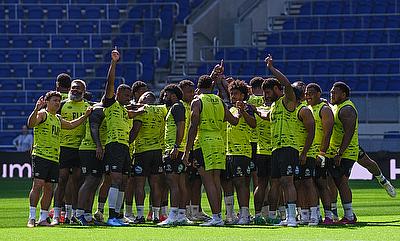
Fiji Rugby CEO Koli Sewabu has since confirmed Seruvakula will stay on through the Pacific Nations Cup, which starts on 12 September in Japan, citing simple practicality: finding and appointing a permanent coach properly takes time Fiji doesn’t currently have before a title defence. Fiji arrive as back-to-back, record seven-time PNC champions, and the squad named for it leans hard on emerging talent; seven uncapped players, including teenage back Maleli Nauvasi and sevens star Terio Tamani, named alongside the likes of Frank Lomani and Joji Nasova.
Two timelines, one idea
That’s the thread worth pulling. At Test level, Fiji is navigating exactly the kind of upheaval, a head coach change, an assistant’s abrupt exit, heavy defeats to Tier One opposition; that tends to dominate the headlines and the inbox of every CEO in world rugby. At school level, in Nadi and Ba this week, Fiji is trying to make sure that upheaval matters less next time.
A structured pathway doesn’t fix a bad week in Edinburgh or a coach walking away after five weeks in the job. But it does mean the next Nauvasi or Tamani is identified, screened and tracked years before a Test squad announcement, rather than discovered by accident on a sevens field. Fiji has always produced players other nations would build a whole academy system around. The Nasoko Programme is Fiji Rugby’s attempt to stop leaving that to chance.
Whether it’s enough to turn Fiji Rugby’s famous depth of talent into genuine strength in depth by 2031, coaches, systems and all is the question this week’s meeting at Tanoa Skylodge was really the first answer to.