Women's Rugby Is Booming - Here's Why You Should Be Paying Attention
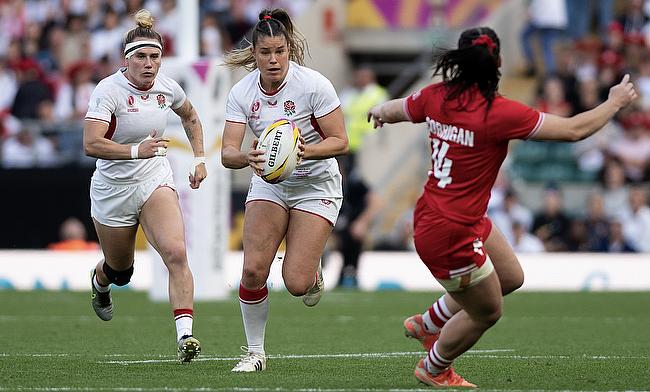
Eng v Canada WRWC final 2025
©Lizzy Terry
When 81,885 fans packed into Twickenham for the 2025 Women's Rugby World Cup final, it wasn't just a record; it was a statement. England lifting the trophy on home soil capped off a tournament that shattered every benchmark the sport had set for itself. Over 440,000 tickets were sold across the expanded 16-team competition, and global viewing hours reached an estimated 50 million. The momentum hasn't faded. If anything, it has accelerated. Women's rugby is no longer on the fringes. It is becoming central to the sport's future.
The World Cup Changed Everything
The 2025 Women's Rugby World Cup in England was the biggest and most-watched edition of the tournament to date. The expansion from 12 to 16 teams brought new nations into the spotlight, and hosting matches across England ensured the event reached communities well beyond the traditional rugby heartlands.
The numbers told the story. A semi-final between England and France attracted a peak audience of 3.3 million viewers on BBC platforms, the highest figure ever recorded for a women's rugby union match in the UK. With every game broadcast free-to-air, the tournament reached audiences who had never previously engaged with women's rugby. That kind of exposure doesn't just break records. It shifts the culture around who watches the sport and who feels welcome to be part of it.
Premiership Women's Rugby Is Finding Its Feet
The World Cup was the spark, but the domestic game is where long-term growth lives. Premiership Women's Rugby has carried significant momentum into the 2025/26 season, with total broadcast audiences rising by 275 per cent compared to the previous campaign. Matches are now streamed live on BBC iPlayer, giving the league free-to-air access that most domestic competitions would envy. Attendances across the opening rounds have increased by 93 per cent.
Players are becoming recognisable names. Holly Aitchison, the England World Cup winner who moved to Sale Sharks this season, spoke recently about her ambition to push the club higher in the table. That kind of personal investment from high-profile players signals a league building something sustainable, not just riding a post-tournament wave.
The Numbers Behind the Growth
World Rugby's own data paints a compelling picture. Fan engagement with women's rugby has risen 65 per cent over the past four years, with growth particularly strong in emerging markets like South Africa and the United States. The fanbase is younger, more gender-balanced, and more family-oriented than the men's game. 29 per cent of fans are under 35, 43 per cent are female, and half have children.
On the participation side, the RFU's Impact '25 programme has committed over £14.55 million in government funding to grow the women's and girls' game in England, with a target of reaching 100,000 female players by 2027. World Rugby estimates that by 2026, women will account for 40 per cent of all rugby players globally. The trajectory is clear, and the investment is real.
Broadcast, Betting, and Commercial Momentum
Free-to-air coverage has been the single biggest driver of visibility. The BBC's commitment to broadcasting PWR matches live on iPlayer has normalised women's rugby as part of mainstream sports viewing. Research from the Women's Sport Trust found that 78 per cent of Women's Six Nations viewers also watch the men's tournament, confirming that the crossover audience is substantial and growing.
Commercial interest has followed. Brands like Clinique and Guinness have backed the women's game directly, recognising the value of a sport whose audience is engaged, loyal, and growing. As visibility increases, so do opportunities across the broader sports economy, including the expansion of betting markets around women's rugby events. For fans looking to engage in this space, choosing safe, licensed betting sites remains essential, particularly as newer markets develop and less established platforms emerge.
What Still Needs to Happen
For all the progress, significant challenges remain. The pay gap between men's and women's players is still vast. Not all unions invest equally, and domestic league structures outside of England and France remain underdeveloped. Converting World Cup enthusiasm into sustained year-round engagement is the critical test.
World Rugby's Blueprint for Growth report laid out a clear roadmap: expand broadcast reach, empower athletes to build their profiles, and create diverse playing pathways from grassroots upwards. The priorities are right. The challenge now is execution.
The Ceiling Isn't in Sight Yet
Women's rugby is no longer a future promise. Record crowds, real broadcast deals, growing leagues, and a fanbase that is younger and more diverse than the men's game. The next Women's Rugby World Cup heads to Australia. If you haven't been paying attention, now is the time to start.
