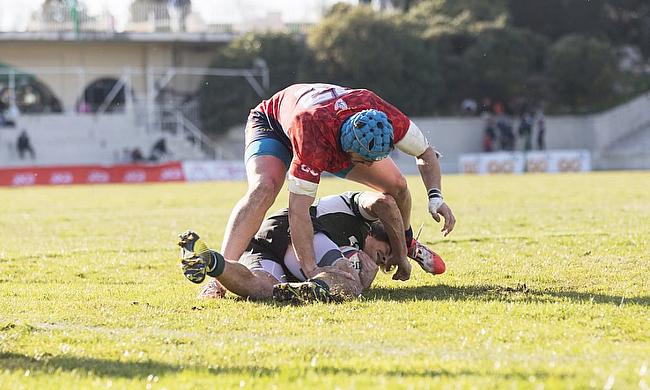
Why Rugby’s Next Media Win Starts Below the Premiership
The Rugby Stories Big Broadcasters Still Miss
The best rugby story in June is not always the one with the biggest crowd, the loudest TV build-up or the longest pre-match montage. It might be a Championship club rebuilding after promotion, a BUCS player moving into a senior environment, or a women’s side trying to turn a World Cup bounce into a weekly habit.
That is where rugby still feels different. It has elite showpieces, but it also has a deep community memory. Fans care about selection calls, clubhouses, away buses, academy contracts, student finals, county rivalries and the quiet work done between fixtures. For rugby media, that depth is not a problem. It is the opportunity.
The Pulse Is Louder Below the Top Flight
The Gallagher Premiership final at Twickenham gives English rugby its annual domestic stage, but the game’s culture does not live only in those 80 minutes. It lives in the clubs that send players upward, absorb players downward and give supporters a reason to care when there is no national broadcast truck outside the ground.
That is why Championship, National League and BUCS coverage matters. These levels show the sport before it becomes polished. Coaches talk more openly, players are still shaping their identities, and the gap between the touchline and the reader feels smaller. A good rugby feature can turn a loan move, a university final or a second-row’s late development into something more useful than another generic preview.
For readers, detail is the hook. They know when a writer understands set-piece pressure, defensive spacing, breakdown discipline and the emotional value of a derby. They also know when a piece has been written from a distance.
Fan Attention Has Become Part of the Rugby Economy
Rugby’s media conversation used to be simple: newspapers, television, club websites and matchday programmes. That model has splintered. Podcasts, short video, fantasy games, newsletters, tactical threads and independent match reports now sit beside the old routes to attention.
Commercial partnerships have followed that shift. A reader who follows rugby every week is not just a viewer; he or she is part of a measurable audience with habits, preferences and trust signals. That is where MelBet Partners? becomes relevant inside the wider sports media business, not as the centre of a rugby article, but as one example of how digital publishers think about monetising sports traffic. The important point is editorial control. A rugby platform loses value the moment commercial content starts sounding louder than the rugby itself.
The sharper model is quieter. Keep the match analysis clean. Keep the player interviews credible. Keep any commercial reference clearly separated from claims about performance, outcomes or betting success. Rugby readers will accept sponsorship and affiliate links when the surrounding article still respects the sport.
Pathway Stories Beat Hot Takes
Rugby has enough hot takes. What it often lacks is patient reporting on how players actually move through the system.
A prop at Loughborough does not become a senior professional because of one highlight clip. A fly-half in BUCS Super Rugby does not become a Premiership squad option because of one line break. The path is slower: strength blocks, injury rehab, tactical education, loan spells, selection setbacks, leadership roles and the constant shift from being physically dominant to being technically reliable.
That is why pathway coverage fits a site built around rugby depth. It gives the reader something that a scoreline cannot. Who is improving? Who is changing position? Who has gone from academy promise to senior responsibility? Which club has spotted value before everyone else?
The best pieces in this space sound informed but not inflated. They name the coaches, the clubs, the competitions and the turning points. They avoid pretending every prospect is the next international. That restraint is what makes the praise count.
Women’s Rugby Has Changed the Commercial Question
Women’s Rugby World Cup 2025 did more than fill seats. It showed that women’s rugby can carry audience growth, civic value and sponsor interest when the product is given serious visibility. The tournament sold 444,465 tickets, and the final at Twickenham drew 81,885 supporters, a world record for a women’s rugby match.
Those numbers matter for editors because they change the editorial risk calculation. Women’s rugby is no longer a worthy side note. It is a weekly coverage area with its own tactics, stars, club tensions, selection debates and audience behaviour.
The next challenge is consistency. Big tournaments create spikes, but regular coverage creates memory. The player who impressed in a World Cup quarter-final needs to remain visible when she returns to club rugby. The teenager who watched that final needs to see a pathway that still exists in February, not only during a tournament campaign.
For rugby publishers, this is a clear brief. Cover the women’s game with the same specificity as the men’s game. Name the forwards who change collisions. Explain the kicking strategy. Track coaching decisions. Treat growth as a rugby story, not a charity angle.
Small Rugby Media Can Work Without a War Chest
The economics of independent rugby coverage are awkward. Travel costs money. Photography costs money. Video editing takes time. Writers need access, contacts and enough trust to avoid becoming a club noticeboard.
A student editor, former player or grassroots reporter can still build a useful rugby platform if the model starts small and stays disciplined. The guide how to start affiliate marketing with no money? fits that low-budget publishing problem because the first asset is not ad spend, but audience trust. In rugby terms, that means choosing one lane, covering it properly and measuring what readers actually return for. No partnership model removes the need for accuracy, consistency and compliance.
The safest starting point is narrow coverage. One league. One university competition. One women’s club. One regional pathway. Depth beats scattered ambition, especially in rugby, where supporters can spot thin knowledge quickly.
What Editors Should Watch Next Season
The next rugby season will reward media teams that understand rhythm. Premiership weeks bring volume. European weekends bring wider context. BUCS and Championship fixtures bring discovery. Women’s rugby brings one of the strongest growth stories in the sport.
The practical editorial plan should be simple. Build previews around tactical questions, not vague momentum. Use interviews to explain decisions, not repeat clichés. Track young players over months, not single matches. Treat commercial content as a supporting layer, never the main event.
Rugby does not need every publisher to chase the same headline. It needs more people watching closely where the bigger cameras arrive late.