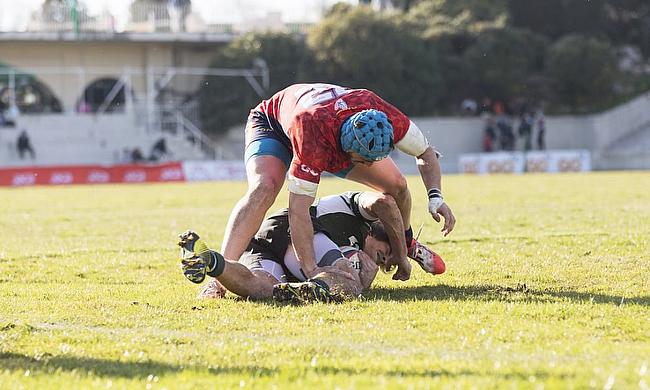
What It Takes to Succeed in Professional Rugby Union
Rugby Union is one of the most demanding sports, with each player requiring incredible power and determination to make it to the highest level. As with many sports, Rugby Union requires years of steady effort to succeed, with players learning as their careers mature and shaping their game around physical qualities. Whilst not as well represented as some other sports, Rugby Union is a truly unique sport, and for those hoping to make it to the top, it requires a lifelong dedication, starting from a young age. With this being said, through hard work, many individuals have begun playing Rugby Union at a later date, developing their abilities uniquely.
With all aspiring Rugby Union players, their careers begin through learning the basic skills, including passing, catching, tackling, kicking and more. Whilst these abilities are incredibly important to foster at a young age, mental capabilities are also important, with teamwork, attitude, confidence, and more all being equally valued.
Physical Fitness and Strength
Professional Rugby Union places huge demands on the body during both training and matches. Players must be fit enough to compete for the full eighty minutes while still making good decisions under pressure. Strength training helps players win physical contests, protect themselves during contact, and recover more quickly after challenging games.
Speed and agility are also important qualities across every position on the pitch. Players spend many hours improving their acceleration, balance, and movement to gain small advantages over opponents. Endurance training supports these efforts by helping players maintain high energy levels throughout demanding fixtures.
Nutrition is pivotal for all sports and lifestyles, and for Rugby Union, this is no different. It has become essential for all Rugby Union players, with the right nutrition massively supporting a player's performance. Consuming the required amounts of protein, carbohydrates, fats, vitamins, and minerals helps these players perform, provides energy, and supports recovery. In addition to nutrition, consuming enough water to meet players' muscle needs during the intense sport of rugby is pivotal to individual success.
Developing Technical Skills
The development of technical skills is part of what makes a successful Rugby Union player, often separating the good from the great. These technical abilities often develop throughout a player's career, from when they first pick up a ball to when their career ends. Accurate passing at high speed is highly important in Rugby Union, ensuring that attacks are fluid and difficult for opponents to defend. On the other hand, strong and precise tackling is also important in Rugby Union, helping to stop opponents in dangerous positions and using the correct technique to avoid potential injuries. Kicking is a technical skill that is highly valued in Rugby Union, and it is hard to master for many, requiring great control to hit the target area, as well as confidence to perform the action
In Rugby Union, each position requires its own blend of technical skills, with many roles requiring specialists. During training, these individuals will work on their skills that are important for their positions, with forwards commonly focusing on scrums, rucks, and close physical duels, whilst backs spend time on running lines, passing accuracy, and kicking.
Understanding the Game
Physical talent alone is rarely enough to succeed at the professional level. Players must understand tactics, positioning, and decision-making throughout every stage of a match. Reading the game well helps players recognise opportunities before they become obvious to others.
Professional teams spend significant time studying match footage before and after games.
Analysis has become a major factor in many sports, allowing players and coaches to watch back footage of games or training sessions to help learn where they can improve. Whilst analysis methods are mainly used for professionals in the game, supporters and dedicated analysts commonly follow sports betting and elements such as live odds during matches to understand momentum swings.
Working as Part of a Team
Rugby Union depends on teamwork more than individual success. Every player has responsibilities that contribute to the overall performance of the side. Even the most talented individuals rely on teammates to create opportunities and provide support throughout the game.
Through competing and training together, individuals learn each other's strengths and weaknesses, whilst also building trust amongst the group. Through performing together on some of the biggest stages, individuals begin to gain respect for each other, which can foster additional effort from players. The shared understanding and mindset of wanting to concede can help massively for individuals in Rugby Union, commonly becoming one of the biggest advantages a team can have. Whilst players gain respect amongst each other, over time they will also gain respect for the coaches, managers, and match officials, which can help enforce a positive environment.
Recovery and Injury Management
Recovery has become a major part of professional Rugby Union because the physical demands are so high. Players cannot perform consistently without giving their bodies enough time to recover between training sessions and matches. Rest, quality sleep, stretching, and proper nutrition all support this process.
Medical staff work closely with players to prevent injuries whenever possible. Early treatment of small problems often prevents more serious issues from developing later in the season. Rehabilitation programmes help injured players return safely while reducing the risk of repeated setbacks.
Listening to coaches, fitness staff, and medical professionals allows players to manage their workloads wisely. Balancing training intensity with recovery helps maintain performance across long and demanding campaigns.
Continuing to Improve
The professional game continues to evolve every season through new tactics, improved training methods, and higher performance standards. Successful players remain willing to learn because standing still often means falling behind. They accept feedback from coaches and use it to improve every aspect of their game.
Setting realistic goals helps players measure progress throughout their careers. Small improvements made consistently over time often lead to significant long-term success. Patience and determination allow players to keep moving forward, even when progress seems slow.
Professional Rugby Union rewards those who combine talent with dedication, discipline, and teamwork. Players who commit themselves fully to learning, training, recovering, and supporting those around them give themselves the strongest chance of enjoying a successful and lasting career in one of the world's most demanding sports.