Rugby Match Abandonment Rules and Decisions
A referee can stop an unsafe rugby match, but cannot settle every consequence. Competition officials decide the score, points, replay and disciplinary action.
What Happens When a Rugby Match Is Abandoned?
A final whistle normally confirms the score. An abandonment starts another process: the referee ends the contest, officials document the stoppage, and the competition organiser decides what the unfinished fixture means.
A referee can determine that playing on is unsafe, but does not decide whether the score stands, the match is replayed or points are awarded. The answer depends on the cause, elapsed time and tournament regulations.
The Referee Controls the Immediate Decision
Rugby law allows a referee to end or suspend a match whenever continuing would be unsafe. Lightning, a waterlogged pitch, failed floodlights, crowd disorder and a medical emergency can all require that judgement. Immediate safety takes priority over the league outcome.
Interrupted digital games require a comparable separation between stopping play and settling it. Guides at https://thepokies-172.net/ help explain casino systems, where an incomplete round retains an identifier, stake and last confirmed state. The operator then checks the game record before completing the result or returning funds under its rules. A visible interruption alone does not determine settlement.
An abandonment differs from a temporary suspension. Play may pause while hail passes, an injured player receives treatment or stewards restore order. If conditions improve, the match can resume. After a formal abandonment, the teams cannot simply play the missing minutes later.
What Happens to a 78th-Minute Score?
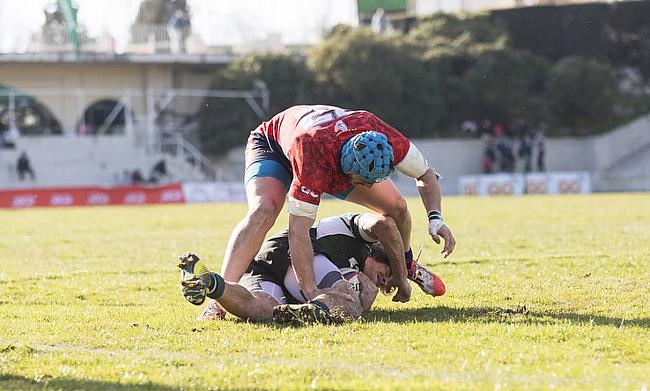
In January 2026, Swansea University’s BUCS Super Rugby meeting with Cardiff University stopped in the 78th minute. Cardiff led 28-19 when a high tackle preceded a mass confrontation that spread towards spectators. The referee ended the match, leaving the organiser to determine the consequence.
Two minutes remaining may make the displayed score appear conclusive, but elapsed time is only one consideration. Administrators may need to establish:
-
the involvement of either team in causing the abandonment;
-
the immediate cause, such as misconduct, weather, equipment failure or injury;
-
the accounts provided by match officials, venue staff and independent witnesses;
-
any minimum-time threshold contained in the competition rules.
The final decision therefore comes from the relevant competition process. Different organisers can reach different outcomes after apparently similar stoppages because their regulations and evidence are not identical.
Weather and Misconduct Follow Different Routes
A storm is generally nobody’s fault. Disorder can be attributed to identifiable people and may trigger disciplinary proceedings alongside the fixture decision. One process determines the match; another considers sanctions for players, staff, clubs or spectators.
In December 2024, Billingham’s National Two North match against Fylde was abandoned at half-time during Storm Darragh. A 2019 National Two South fixture between Sutton & Epsom and Bournemouth stopped after a power cut with the hosts leading 20-15. Sutton & Epsom were awarded the result because the match had reached its latter stages.
These examples are not a universal formula. A late stoppage may strengthen the case for retaining a result, yet competitions apply different thresholds. Although World Rugby Law 5 establishes the referee’s authority to stop unsafe play, the competition organiser still determines the status of an abandoned match under its own regulations.
Reports Decide What Happens Next
The referee records the score, time and reason for stopping. Reports may identify cards, alleged misconduct and exchanges with captains. Video, medical notes, weather data, security logs and statements can supplement that account.
The organiser then has several possible responses:
-
declare the score at abandonment the final result;
-
order a complete replay on another date;
-
award the match or competition points to one side;
-
record no result and distribute points under tournament rules;
-
open separate disciplinary cases before confirming the table.
The current RFU adult competition regulations place decisions about unplayed league matches with the organising committee. Other bodies publish their own procedures, so one division’s precedent cannot simply be imported into another.
An Abandonment Does Not End at Full-Time
Players may leave, but administrators still have to protect the competition’s integrity. Clubs need clarity for travel, availability and venue bookings, although serious incidents require evidence before standings can be confirmed.
Ticketing is separate again. Admission terms may distinguish cancellation before kick-off, a short contest and a match lasting almost 80 minutes. Refunds, credits or replacement tickets are commercial decisions unless regulations or consumer law say otherwise.
An abandoned match therefore produces several outcomes rather than one. The referee decides that play cannot safely continue. The organiser determines the sporting result. Disciplinary officials examine conduct, while the host club handles spectators and logistics. The scoreboard captures where the match stopped; the paperwork decides what survives it.