Merab Sharikadze banned 11 Years in doping case
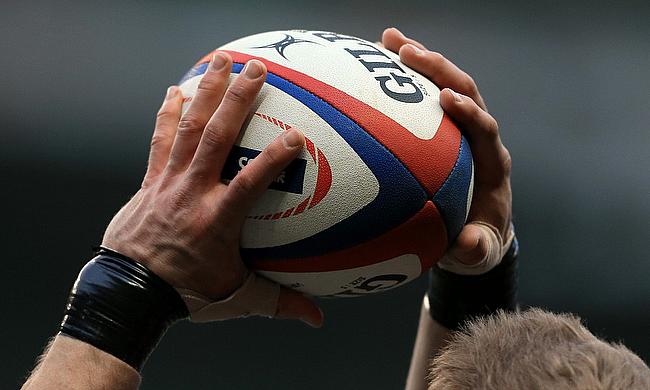
Former Georgia captain Merab Sharikadze has received an 11-year ban after a World Rugby anti-doping investigation into urine sample tampering.
©PA
Former Georgia captain Merab Sharikadze has been handed an 11-year ban following an anti-doping investigation into urine sample tampering before the 2023 Rugby World Cup.
The case has also led to sanctions for five other Georgia players, a team doctor and disciplinary action against the Georgia Rugby Union.
World Rugby Hands Heavy Ban To Merab Sharikadze
Sharikadze, a long-serving Georgia centre with more than 100 international appearances, received the longest suspension of all those sanctioned in the case. The punishment follows findings that urine sample substitution took place over an extended period before the 2023 World Cup.
World Rugby said the investigation was the most extensive anti-doping inquiry ever undertaken in rugby and involved close cooperation with WADA.
"This case demonstrates the importance of operating a robust, science-led anti-doping programme with coordinated biological profile analysis, testing and long-term storage functions," said World Rugby chief executive Alan Gilpin.
"Our extensive four-year investigation has helped identify subversion of the doping control process and sends a clear message that World Rugby takes all anti-doping matters extremely seriously and is an unwavering champion of clean sport."
Other Georgia Players And Staff Also Sanctioned
Alongside Sharikadze, bans were issued to Giorgi Chkoidze, Lasha Khmaladze, Miriani Modebadze, Otar Lashkhi, Lasha Lomidze and Dr Nutsa Shamatava. The suspensions vary in length, from nine months to nine years, and all have been backdated to include provisional suspensions already served.
World Rugby said the sample substitutions were initially suspected to be linked to performance-enhancing drugs. However, the investigation ultimately found evidence supporting the claim that the tampering was intended to hide the use of cannabis and tramadol rather than banned performance enhancers.
The Georgia Rugby Union has also accepted a misconduct charge for bringing the game into disrepute.