Maro Itoje left out as England weigh Nations Championship
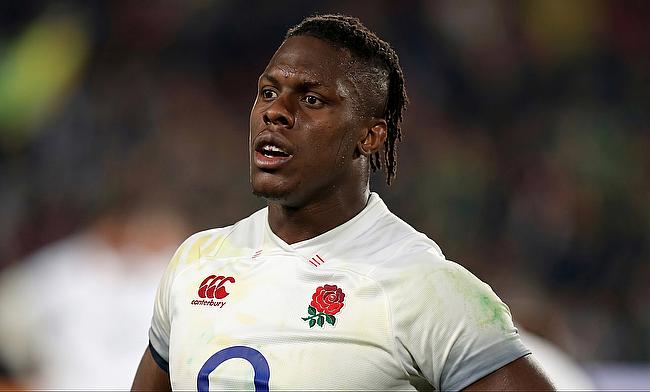
England’s head of performance back sabbaticals after Maro Itoje left out
©TRU
Maro Itoje left out before Nations Championship as England weigh the bigger picture
The announcement made by Steve Borthwick recently to the England team has caused a huge buzz in the English circuit. On 9 June, 26 players were selected for their preparation at Pennyhill Park prior to the game against France XV at Vannes. This is also a prelude to the first ever Nation Championship. The surprise element lies in the omission of the Saracens lock who was available to play for the uncapped game.
Outside of the camp debate, there has been an increase in gambling talk and there is some action on rugby betting at Wildies, where there is free-betting without any deposit bonus. This is understandable since this oversight seems greater than your average rotational problem. This is not some fringe forward who missed out on his summer hit out. This is the team’s spirit, lineout disrupter, and top enforcer. It changes everything when someone like this leaves the page.
But the logic behind this can be easily followed. As BBC stated, the coaches are considering giving the player a rest period during the entire or at least a part of the summer campaign. According to Sky Sports, there is currently ongoing discussion regarding his participation in the game. Borthwick has previously characterized the current season as a tough one due to heavy workload. It included club responsibilities, difficult Six Nations, Lions' duties, and personal sorrow.
England rugby captain today faces a strange June
The press statement from RFU about the camp had the following to say: This is a three-day camp that will be held prior to the France XV game on 19th June. The camp is also set to precede the start of a new tournament that will involve teams from both hemispheres in July. Players in the play-offs had been ruled out, but despite all this, the absence of the lock was conspicuous because according to BBC, he could actually have been selected.
This is important because it looks like workload rather than status has been responsible for bringing this about. For an England rugby skipper, recuperation could be more important at this stage than making yet another appearance in a ceremonial capacity. It looks like the coaches have assessed their player in terms of workload rather than anything else. This is the right way to look at things prior to such a grueling schedule.
The tournament itself escalates the ante even higher. Nations Championship will make its debut in July 2026 as twelve teams, based on hemispheres. They’ll play in three rounds in July and three rounds in November. Finally, there will be a Finals Weekend that will settle the rankings and determine the tournament champion. This setup is better suited to players with stamina and flexibility than to emotional attachment.
It is also the reason why the decision sounds so modern. Modern national coaches are thinking in blocks and not about one individual emotional gesture at a time. The month of July carries more weight today than an emotional performance in June ever did before. This line of thought might upset some purists, but it makes sense in light of the current calendar.
Maro Itoje height still cannot solve fatigue
Physical profile always shapes perception around elite locks. Maro Itoje height is listed at 195 on official England Rugby and Six Nations pages. That frame gives him rare reach on restarts and in defensive lineouts. It also helps him crowd passing lanes and disrupt maul shape. Yet height does not fix mileage. A player can still dominate the air while carrying dead legs underneath him.
That is the hidden truth in this whole debate. Supporters often look at him and see endless power. Coaches look deeper and see repeated accelerations, lineout lifts, scrum pressure, and collision recovery. His value is highest when those efforts come with sharp timing. If the engine is flat, even the smartest lock becomes easier to blunt. Maro Itoje height still helps on kick pressure and broken exits, but freshness turns that reach into real damage.
Form also matters here, not just reputation. England Rugby’s profile describes him as a cornerstone for Saracens, the national side, and the Lions. That is a fair summary because his game still bends contests in ugly, useful ways. He ruins launch ball, clogs carrying lanes, and drags team-mates into harder work. None of that shows up as flashy backline sparkle. All of it decides whether a close Test swings late or stays balanced.
There is another layer to the decision. England Rugby named him leader before the 2025 Six Nations, which confirmed how central he had become. The appointment was not cosmetic. It reflected trust in his detail, discipline, and appetite for dirty work. The real question for England rugby captain today is whether freshness in July beats sentiment in June. Borthwick seems to think that possibility is worth protecting.
Maro Itoje weight shows the cost of collisions
Locks do not fade in a neat, visible way. They get chipped away by repeated work that casual viewers barely notice. Maro Itoje weight is listed at 118 kilograms on official profiles. That sounds like pure force, and often it is. In reality, it also means every awkward landing and every cleanout carries a bigger tax. The position takes payment on almost every phase.
That strain builds faster than people admit. Maro Itoje weight becomes a harsher metric after months of eighty minute shifts. Bodies do not care about status, applause, or armband symbolism. They count folds, impacts, twists, and missed recovery windows. This is why rest can be a competitive decision rather than a sentimental one. The smartest squads save their edge before it disappears.
Nothing in the official camp note framed his absence as a fresh injury issue. That is a crucial distinction. This looks like load management, not emergency surgery on the squad plan. If that reading stays accurate, he could still return once the full travelling party is set. BBC pointed out that the wider selection picture should become clearer after domestic finals. So this story remains open, but its direction is already obvious.
The consequences for results are easy to sketch. Without him, England lose lineout theft, disruptive timing, and a nasty edge around mauls. South Africa away is the worst possible place to be short on those details. Fiji create different problems because broken field moments can explode fast. Argentina away brings its own forward snarl and emotional chaos. That means selection management now could shape wins and losses later.
The upside of the decision is obvious enough. A fresher version of the lock gives England a far better chance later in July. He sharpens defensive calling, restarts, maul defence, and the emotional temperature of tight contests. The risk is obvious too. If he misses too much, combinations can wobble and authority can leak. This squad can still compete hard, but it looks less nasty without his presence.
That leaves the current call in a very clear place. It looks cold, but it does not look reckless. England may be choosing a sharper July over a symbolic June. In an inaugural tournament, that is probably the grown-up move. The smartest reading is simple. Right now, the best chance of winning later may come from keeping the lock away from camp today.
